Water Damage Restoration
Professional Mold Inspection and Testing in Lancaster, CA
A musty smell, a stain that keeps coming back, or a leak you never fully dried can all mean mold is growing where you can't see it. Our mold inspection Lancaster CA visits find the moisture behind the problem, check the areas mold likes most, and collect samples when they will actually answer a question. Call (661) 385-2497 to book an inspection. If there is active water, a crew is dispatched immediately.
- Visual inspection of walls, ceilings, attic, closets and HVAC areas
- Moisture meters and thermal imaging to find hidden damp spots
- Air or surface sampling when it adds real information
- A written summary with photos and clear next steps
Do you need it
Do I need a mold inspection?
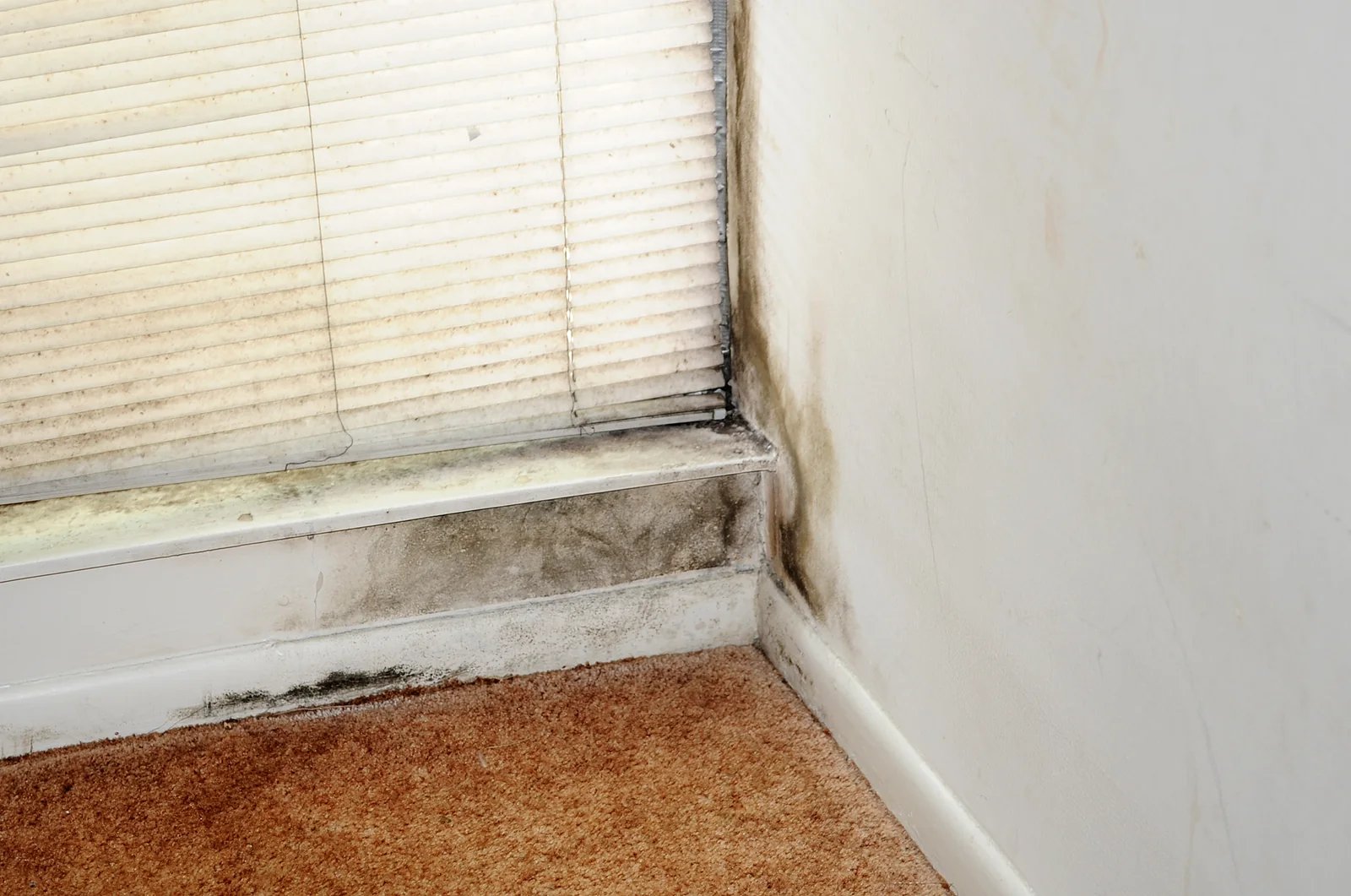
You likely need one if you smell mustiness, see staining or spotting, had a leak that was not professionally dried, or are buying or selling a home. Inspection finds the moisture source that feeds the mold.
Warning signs
Signs worth checking
- A musty smell in house closets, bathrooms or one bedroom that never fully goes away
- Spotting or discoloration on drywall, baseboards or ceilings
- Peeling paint or bubbling texture near a past leak
- A smell when the swamp cooler or HVAC first turns on
- Allergy-like symptoms that ease when you leave the house
- A past roof, cooler, water heater or slab leak that was dried with fans only
Why it happens
Why mold hides in Lancaster homes
The high desert air is dry, so most homeowners do not expect mold. But mold does not need humid air in the room. It needs a wet material, and Lancaster homes have a few reliable sources of them:
- Rooftop swamp coolers that leak into attic insulation and add humidity to the house every summer
- Slab leaks that keep carpet pad and baseboards damp for months
- Water heaters and laundry next to the garage wall, where small leaks soak the wall base
- Attic air handlers with blocked condensate lines dripping onto ceilings
- Bathrooms with weak exhaust fans
Because the room air feels dry, these spots can grow mold for a long time before anyone notices.
Good to know
What happens during a mold inspection
Talk through the history. Past leaks, smells, repairs and where symptoms are worse.
Visual check. Bathrooms, kitchen and laundry plumbing, closets, window frames, the attic near the cooler and air handler, and the garage wall.
Moisture readings. Meters and thermal imaging show damp drywall, wood and flooring that look normal on the surface.
Sampling if useful. Air samples compare indoor and outdoor spore levels; surface or tape samples identify what is growing on a material.
Written report. Findings, photos, moisture readings, lab results if taken, and recommended next steps.
Good to know
Mold testing Lancaster homeowners ask about: air vs. surface samples
| Test type | What it tells you | When it helps |
|---|---|---|
| Air sample (indoor plus outdoor comparison) | Whether spore levels inside are higher or different from outside | A smell with no visible growth, or checking a whole room |
| Surface or tape-lift sample | What is growing on a specific material | Visible spotting you want identified |
| Moisture mapping (no lab) | Where materials are wet now | Every inspection; it finds the cause |
| Post-remediation check | Whether an area is clean after removal | After mold removal, before walls are closed |
Sampling is not always needed. If growth is visible and the water source is known, the plan usually does not change based on a lab result. Air quality testing is most useful when you smell mold but cannot find it, or when you need documentation for a sale, a landlord or a doctor.
Upfront pricing
What a mold inspection costs
A focused inspection of one area usually runs about $250 to $500. A whole-home inspection with several air samples commonly costs $450 to $900, depending on the size of the house, attic access and how many samples go to the lab.
What to look for
Choosing a mold inspector Lancaster homeowners can trust
- Ask what will be sampled and why before the visit.
- Expect moisture readings, not just a spore count.
- Get a written report you can share.
- For a clearance check after removal, many owners prefer a mold inspector Lancaster homeowners hire separately from the company that did the removal.
Service area
Areas we serve
We inspect homes, rentals and businesses in Lancaster ZIP codes 93534, 93535, 93536, 93539 and 93584, including West Lancaster, East Lancaster, Del Sur, Antelope Acres and the older neighborhoods around The BLVD, plus Quartz Hill and Palmdale.
Keep exploring
Related services
- Mold remediation when growth is confirmed and needs to be removed
- Slab leak water damage when the moisture is coming from under the floor
- Swamp cooler leak damage when the attic is the source
- Water damage restoration in Lancaster for active leaks
Common questions
Mold inspection FAQs
Will an inspection tell me exactly where mold is inside a wall?
It shows strong signs, like elevated moisture, temperature patterns and staining. Confirming growth inside a closed wall usually takes a small opening, which is done only where readings point.
How long do lab results take?
Usually a few business days. Rush results are available from many labs for an added fee.
Should I clean visible mold before the inspection?
No. Leave it in place so it can be seen and sampled, and avoid air fresheners or bleach for a day or two before the visit.
Do you inspect for real estate transactions?
Yes. Buyers and sellers often want a documented inspection before closing, especially if the home had a past leak.
Can renters book an inspection?
Yes. Renters can book mold testing Lancaster landlords will take seriously, and the written report helps when talking with a landlord or property manager.
What to do now
Book a mold inspection
Call (661) 385-2497 for a mold inspection Lancaster CA homeowners and landlords can rely on, with clear findings and a plan you can act on.